.png)
The store is the engine of retail, due to its capacity to attract, activate, retain and recommend, and it is from each store that retail grows.
Many think that expansion is about adding new stores, but the ideal is to think that each successful new store is what actually leads you to want more stores.
The success of the expansion lies in the operation
And the highlight of a store's operation lies in the shopping experience it provides, its way of transmitting the brand's value proposition.
Instead of relying only on advertisements, as in e-commerce, the physical store allows the customer to realize the value of the brand on their own, and this drives growth.
But, Have the right customer inside the store to offer the perfect experience It's the last stage of a cycle.
That's why it's so important to manage the previous 7 steps:
- Flow and visibility - in-place counting, estimates via data
- Number of people passing in front, cars on the road.
- Accessibility and convenience - checklist
- Is there parking, public transport, decent sidewalk?
- If access isn't easy, conversion doesn't happen.
- Synergy with the environment or co-tenancy
- Neighborhood mix, anchor stores, poles of attraction
- Evaluation of how commercial corridors fulfill their role
- Sociodemographic profile of the area of influence - basic Geomarketing
- Income, age range, lifestyle.
- It's no use having an intense audience if it's not the right audience.
- Consumer potential - Intermediate geomarketing
- What is the real spending capacity in your segment?
- How much each customer in that territory can generate over time.
- Competition and Saturation - Advanced Geomarketing
- Direct and indirect competitors, cannibalization of own units
- All Subtracting Market Potential (PdM)
- Operational Efficiency and CAPEX - Expansion Management
- Point costs, rent, renovations, logistics.
- A store may look perfect on the surface, but if the operation doesn't pay for it, it implodes.
- Brand and experience
- He is full of specialists in this stage, but it only makes sense when all the previous ones are well resolved.
- In the end, attracting the customer is the beginning, retaining them and turning them into a promoter closes the cycle
Managing the 7 steps before the experience
Reservations
It is simply not possible to increase the flow of a road, but it is possible to search for busiest points if this is the indicator to be optimized.
Visitor conversion must be high, after all, why attract if not to sell?
The repurchase, excluding tourist scenarios, must be an obsession, since well-served customers always return.
Efficient and cheap word-of-mouth marketing, if you get the region's customer profile right, the referral power is optimized, since similar people share the same problems and share their solutions.
Revenue should grow over time, as a result of new customers and old customers expanding their exposure to the store.
Adjustments to increase sales engine power
Have Clear Goals
- What is the maximum market potential of each unit?
- How can this potential be achieved?
- People and their journeys
- How does the store fit into the journey?
Product as a channel
Reduce friction until the first purchase
Teach the customer to navigate the store and the purchase, allow them to guide themselves and offer assistance in special cases.
Time-to-value: measures the conversion of visitors into buyers and the time spent visiting, with and without a purchase. There may be a breaking point in navigation within the store.
Map of the flow from visit to purchase, critical points, measuring Drop at every stage up to the purchase.
Map the events of the journey:
- Did you see the window
- It slowed down
- Went in
- First Touch/Tasting
- Engaged with seller
- You asked for the price
- Caixa do Caixa
- Paid
- Post-purchase: registration, QR, social
Customer profile
Right people inside the store, we are looking for signs of a high propensity to buy.
- Do visitors put items in the cart or just look?
- If all price tags were removed:
- Would we still have visitors?
- Would buyers be scared or would they have a positive perception?
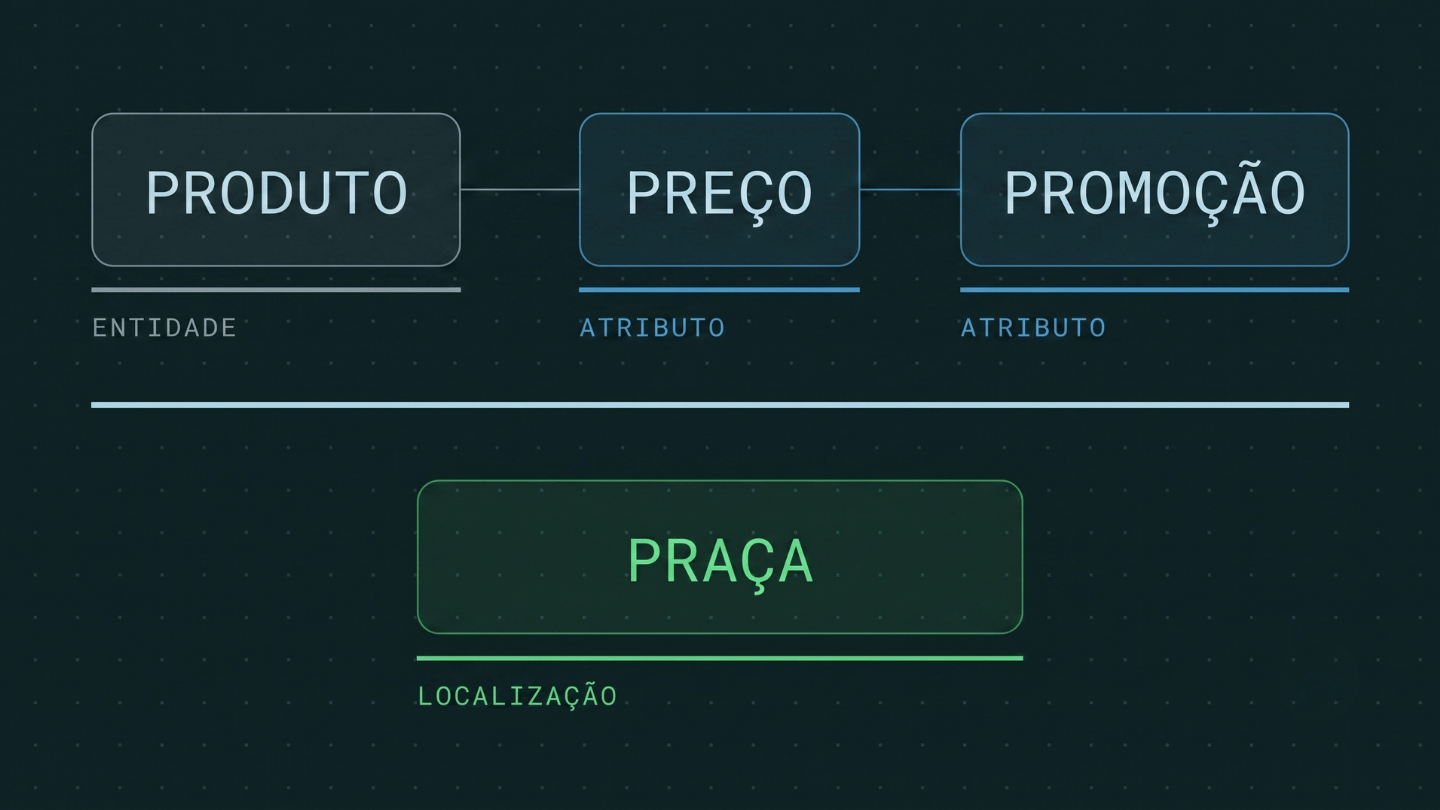
Pricing, Packaging, and Revenue Model
Make the price work for growth
- Price point - products on offer designed to attract customers (anchor from below)
- Experimentation - invitation to test the product free of charge
- Easy Return - Purchase Without Regret
- Progressive gifts or discounts - those who buy more get more
- Silver bullet - products with prices above the standard to anchor on top (create a discount effect on others)
- Referral - set of products and exclusive offers for returning or referred customers
Guided sales
Activate the opportunity at the right time, with the right context
- Itinerary for the first 120 seconds: greeting, suggestion, free path to the main delivery of value
- Itineraries for local influencers demonstrating consumer experiences
Customer satisfaction and repurchase
Retain and Grow Purchases Without “Pushing”
- Risk maps based on purchase volume
Customer satisfaction as a goal And Metric